
growth-hormone
Low stock
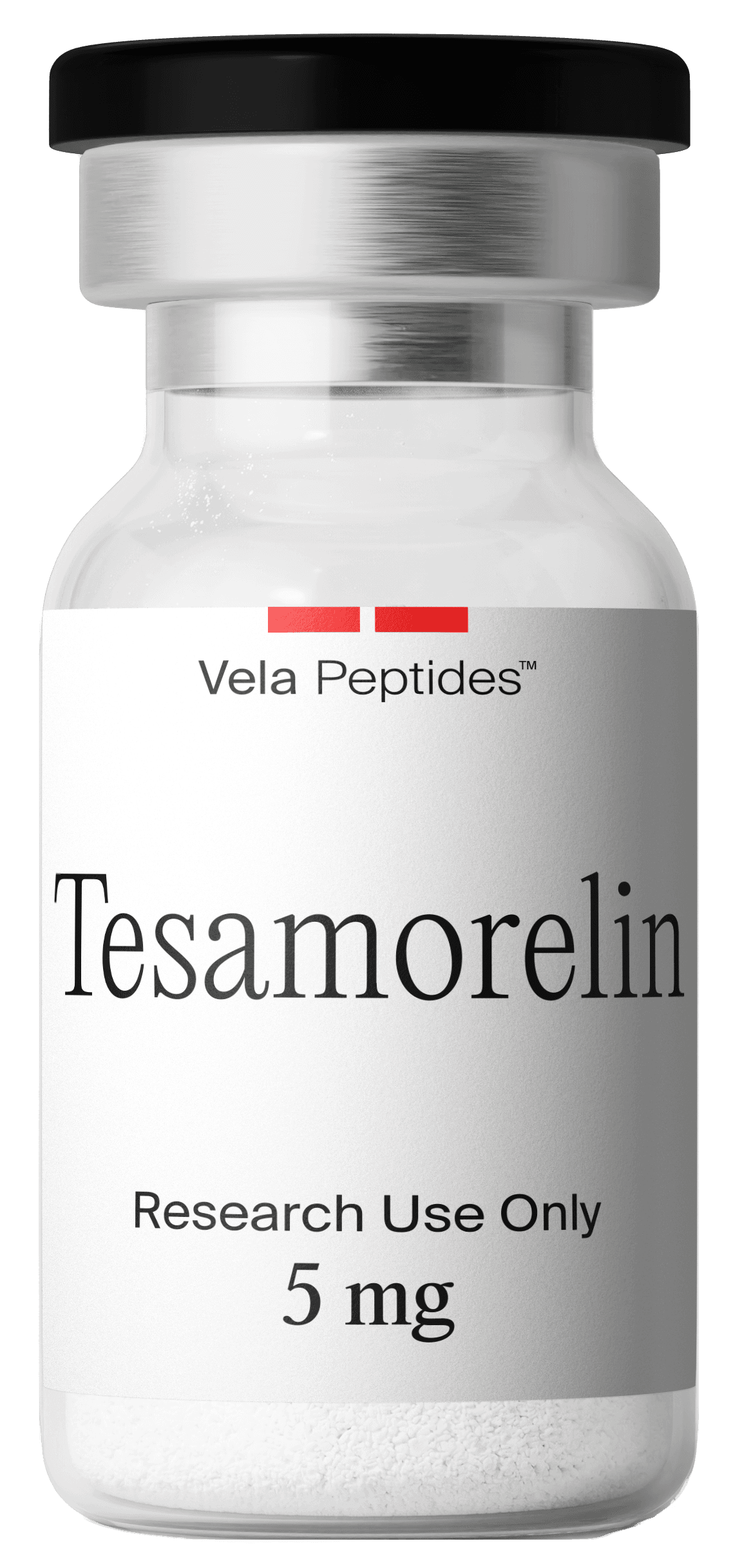
Tesamorelin 5mg
$45.00
For in vitro research only
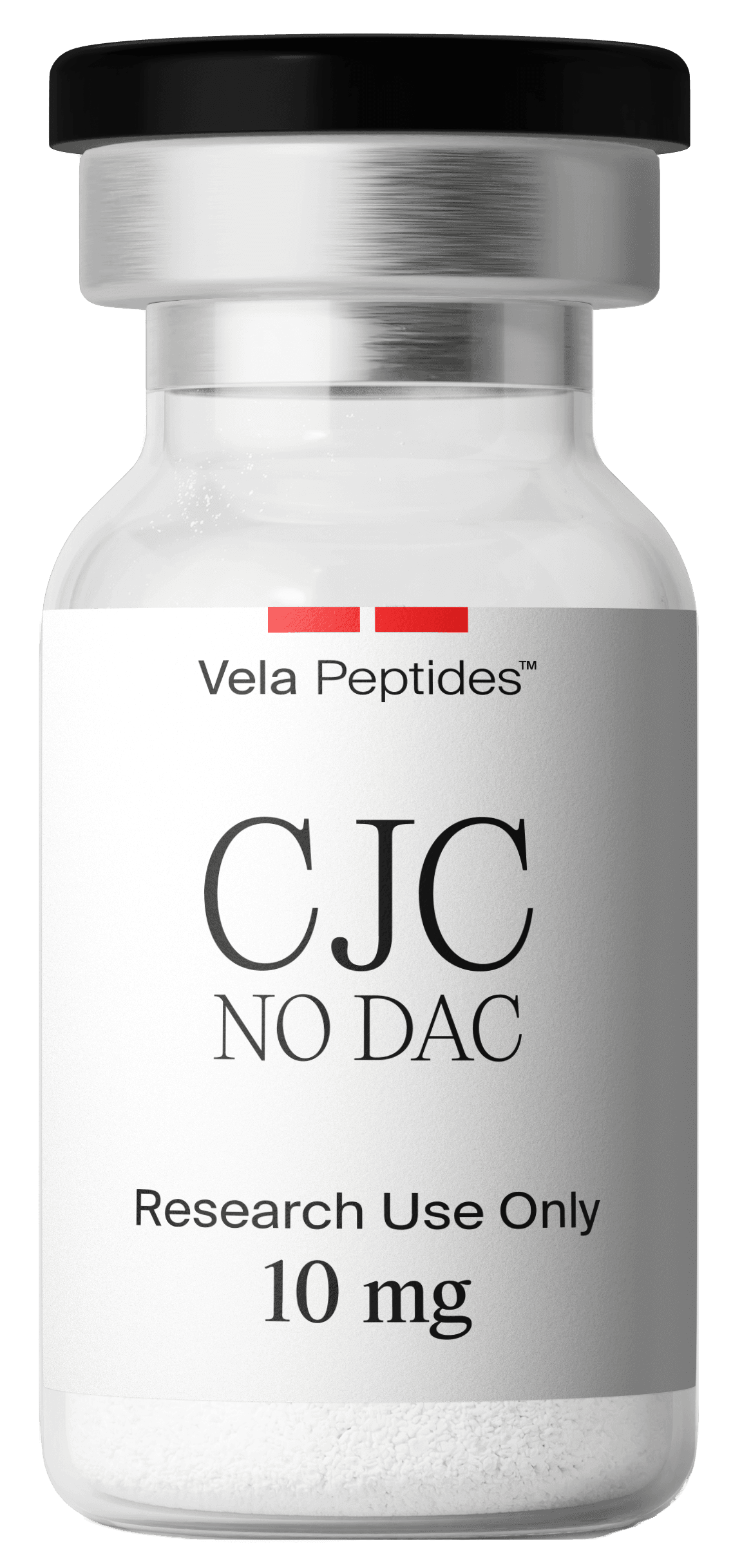
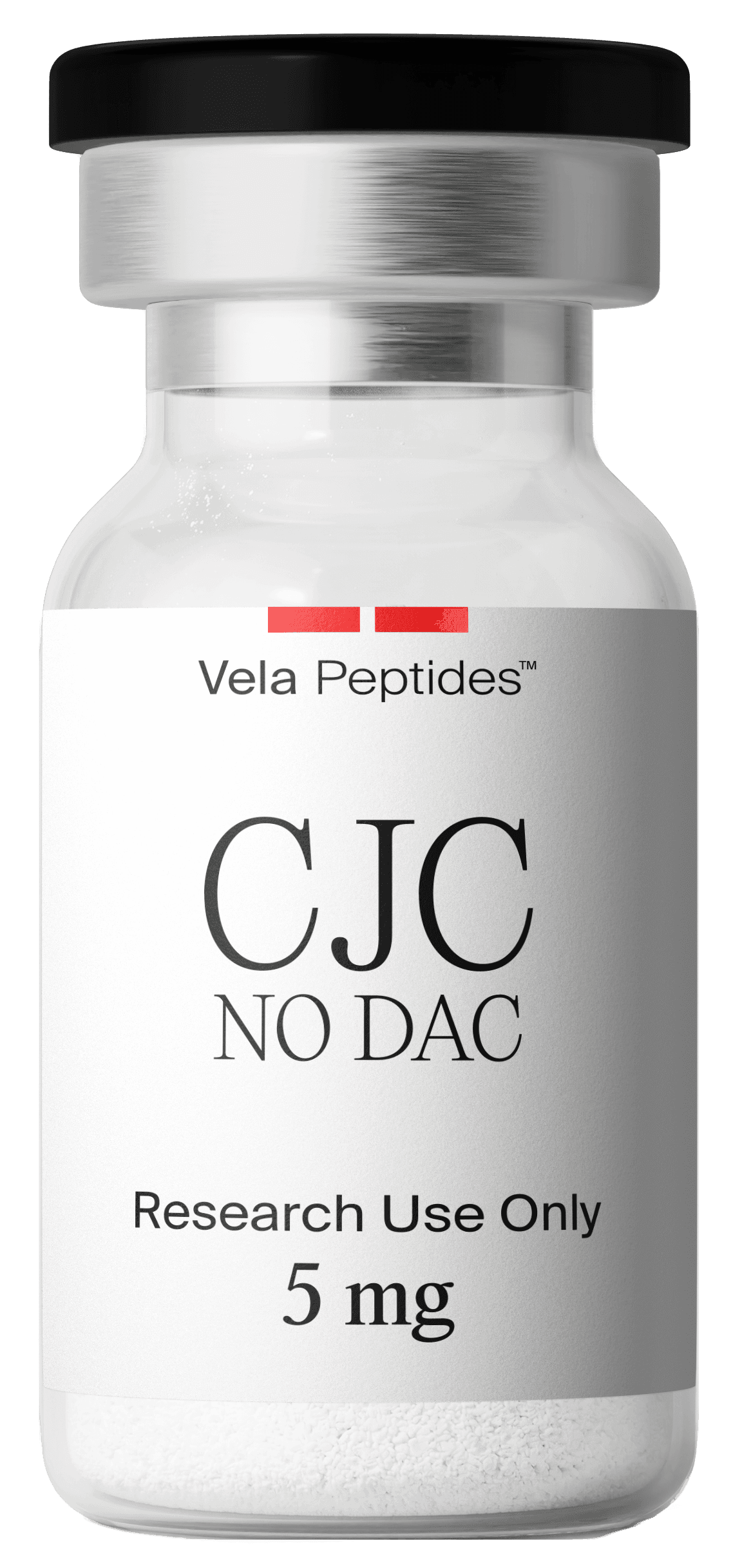
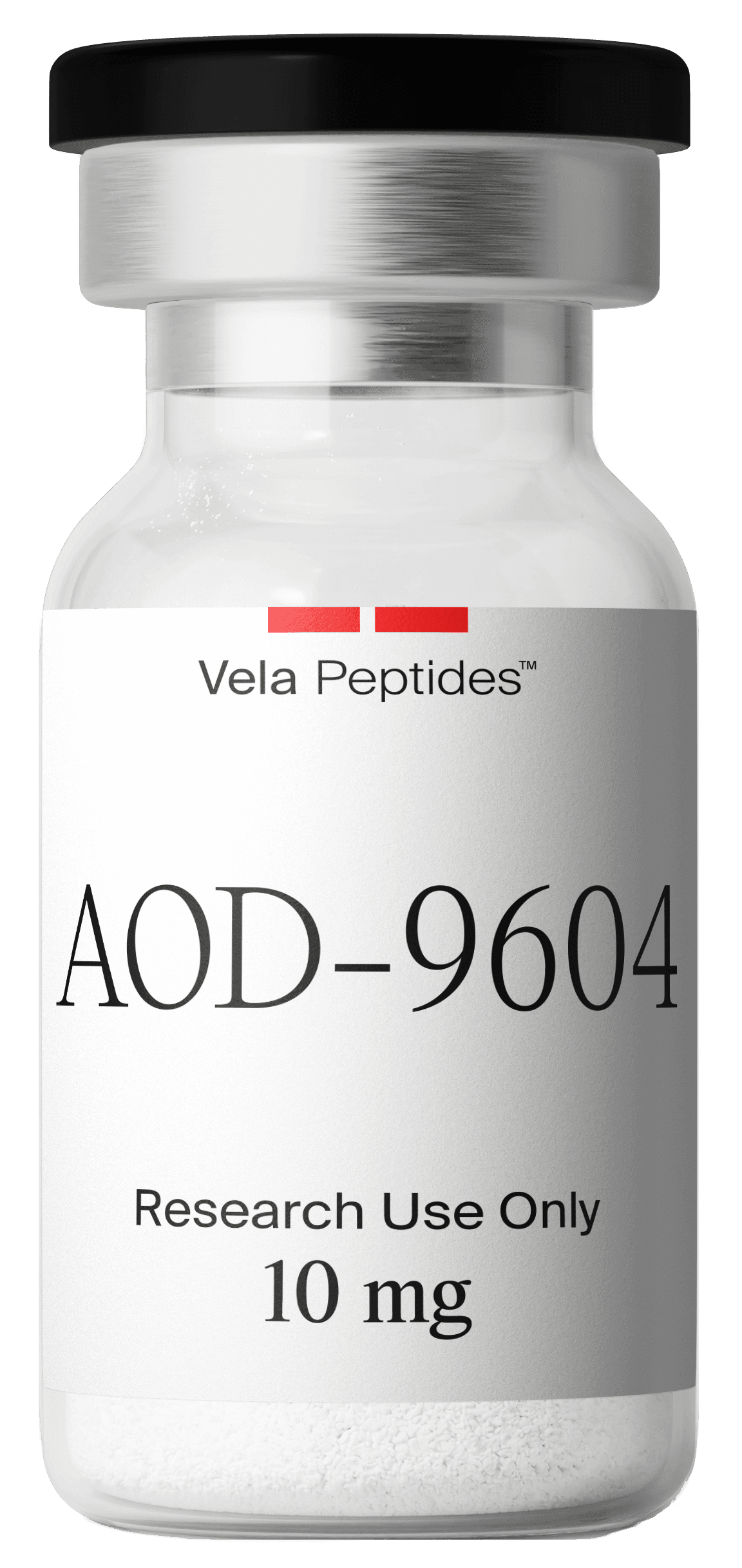
A short-acting modified GRF(1-29) GHRH analog supplied as a 10 mg lyophilized vial for research into pulsatile growth-hormone release.
Size
Quantity
Promotion
Everything you need to start is included.
New
Technical specification
Key attributes
Each vial is intended for laboratory research use only and is not for human or veterinary use.
Research usage
CJC-1295 without DAC, also known as Modified GRF(1-29), is a synthetic 29-amino-acid analog of growth-hormone-releasing hormone (GHRH). It is designed to bind the GHRH receptor and, in research models, is investigated for its ability to stimulate the pituitary to release growth hormone. Because it lacks the Drug Affinity Complex found in the DAC variant, it is characterized in research by a comparatively short half-life. This short-acting profile has made it a subject of interest in studies examining pulsatile, rather than sustained, growth-hormone signaling. It is frequently used alongside GHRH-secretagogue research to explore receptor interactions in vitro and in animal models.
Research indicates that Modified GRF(1-29) can stimulate the release of growth hormone in preclinical and animal research models, producing brief, pulse-like elevations that contrast with the more prolonged activity reported for the DAC-modified version. Studies have investigated its receptor-binding behavior and its role in models of the growth-hormone axis. These reported characteristics have positioned it as a subject of interest in research into pulsatile GH secretion and GHRH-analog pharmacology. Findings to date remain confined to laboratory and animal research contexts.
The safety and toxicological profile of CJC-1295 (No DAC) has not been fully characterized in research models, and comprehensive data remain limited. It is intended strictly for in-vitro and laboratory research and should be handled only by qualified personnel using appropriate personal protective equipment and standard laboratory practices. No conclusions regarding safety in humans or animals can be drawn from current research. Handlers should avoid inhalation, ingestion, and direct contact with skin or eyes.
Add 2 mL of bacteriostatic water to the 10 mg vial to yield a concentration of 5 mg/mL.
Store refrigerated at 2-8°C, protected from light. Stable for approximately 24 months. For long-term storage, keep at -20°C.
Keep refrigerated at 2-8°C and use within a few weeks. Avoid exposure to light and heat; do not repeatedly freeze and thaw.
growth-hormone
growth-hormone
growth-hormone
growth-hormone