
growth-hormone
Low stock
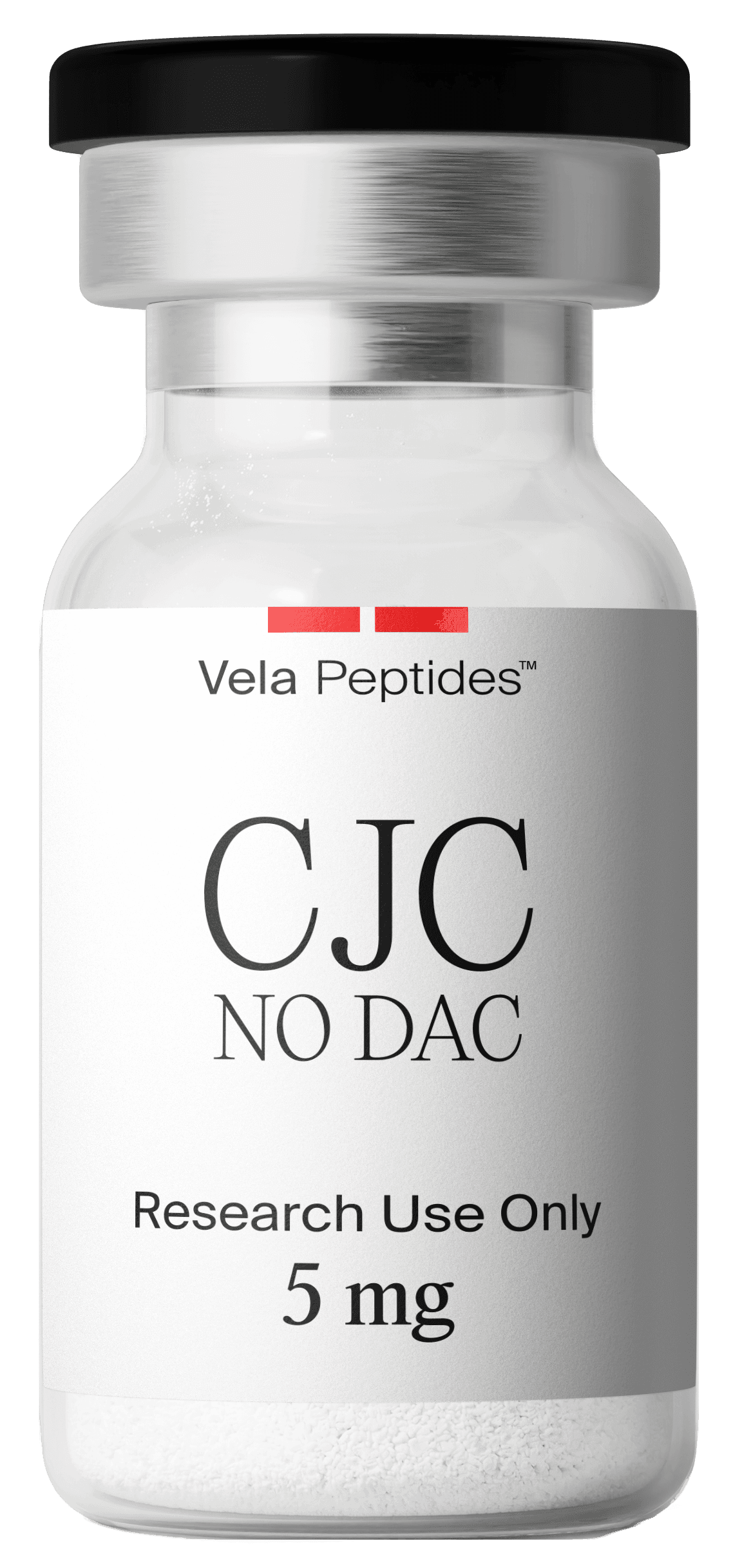
CJC-1295 (No DAC) 5mg
$45.00
For in vitro research only
A stabilized GHRH(1-44) analog supplied as a 5 mg lyophilized vial for research into growth-hormone-releasing hormone signaling, the GH/IGF-1 axis, and visceral adiposity.
Promotion
Everything you need to start is included.
New
Technical specification
Key attributes
Each vial is intended for laboratory research use only and is not for human or veterinary use.
Research usage
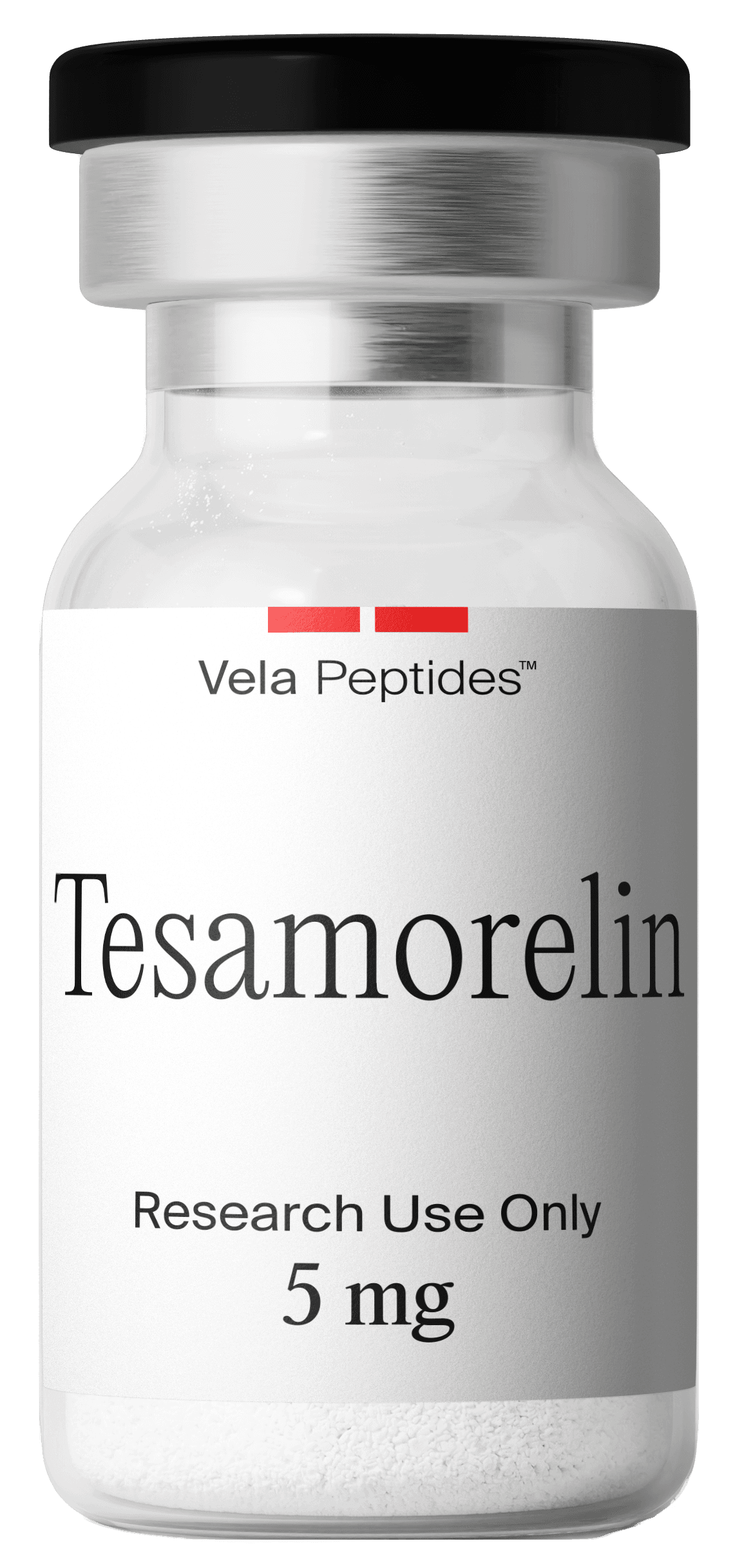
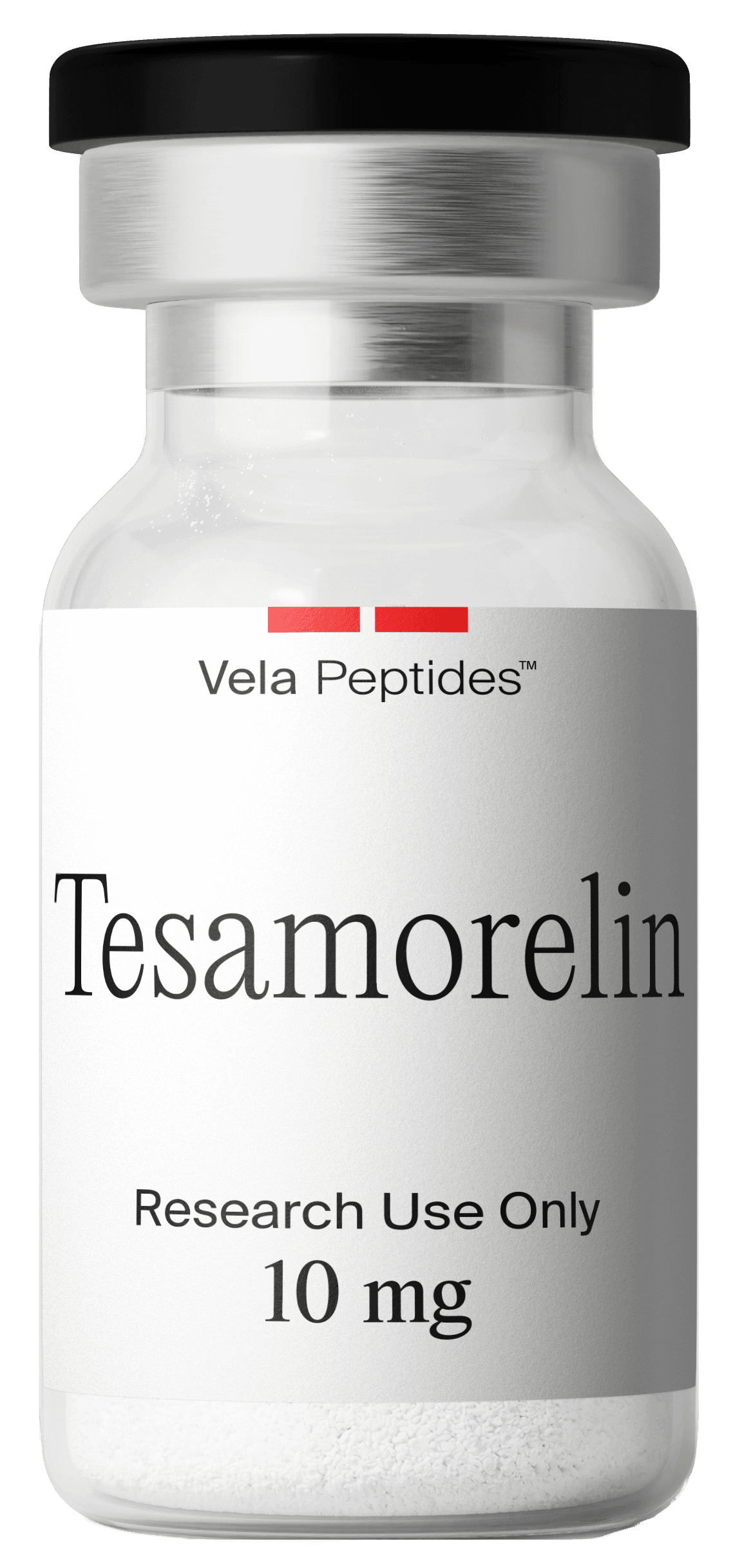
Tesamorelin is a synthetic, stabilized analog of human growth-hormone-releasing hormone (GHRH 1-44), modified with a trans-3-hexenoyl group to resist enzymatic degradation and extend its research half-life. It is investigated as an agonist of the GHRH receptor, where it is reported to stimulate the endogenous, pulsatile release of growth hormone from the pituitary in preclinical models. Research has centered on its influence over the GH/IGF-1 axis and downstream effects on lipid and visceral-adipose-tissue metabolism. Because of this mechanism, it is frequently studied as a tool compound for exploring somatotropic signaling and adiposity in animal research models.
Research reports that Tesamorelin binds the GHRH receptor and increases the pulsatile secretion of growth hormone, with corresponding elevations in IGF-1 observed in preclinical models. Studies have investigated its association with reductions in visceral adipose tissue and changes in lipid profiles within animal research models. Its resistance to enzymatic cleavage is reported to confer greater stability than native GHRH, an attribute of interest for sustained-signaling investigations. These characteristics have positioned it as a subject of interest in metabolic and endocrine research models.
The full pharmacological and toxicological profile of Tesamorelin has not been completely characterized in research models. Observations reported in preclinical and research settings include injection-site reactions and effects related to modulation of the GH/IGF-1 axis, and the material should be handled only by qualified personnel using appropriate laboratory practices and protective equipment. As with all lyophilized research peptides, contact, inhalation, and ingestion should be avoided. This material is not for human or veterinary use and is intended strictly for in vitro and preclinical research.
growth-hormone
growth-hormone
growth-hormone
growth-hormone