
growth-hormone
Low stock
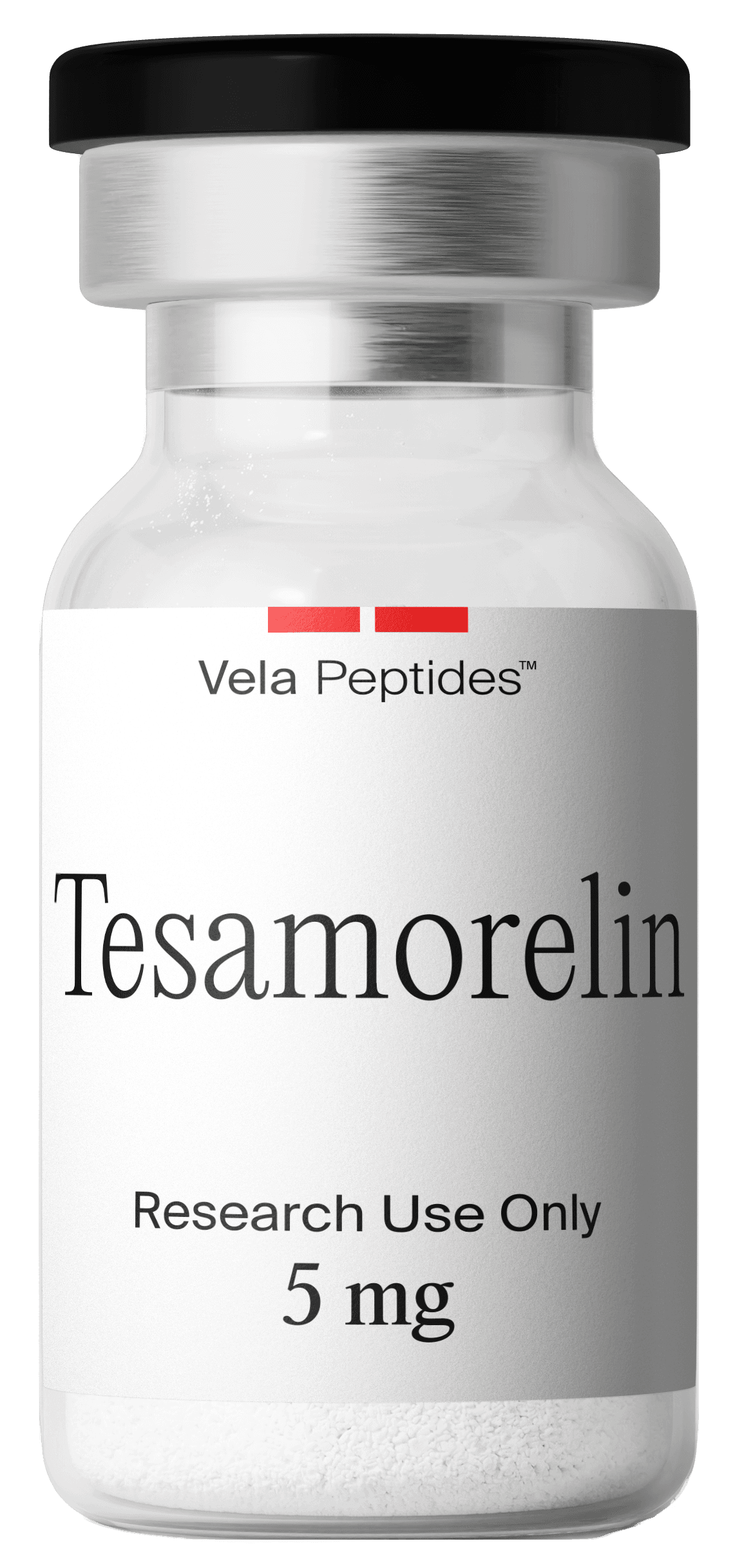
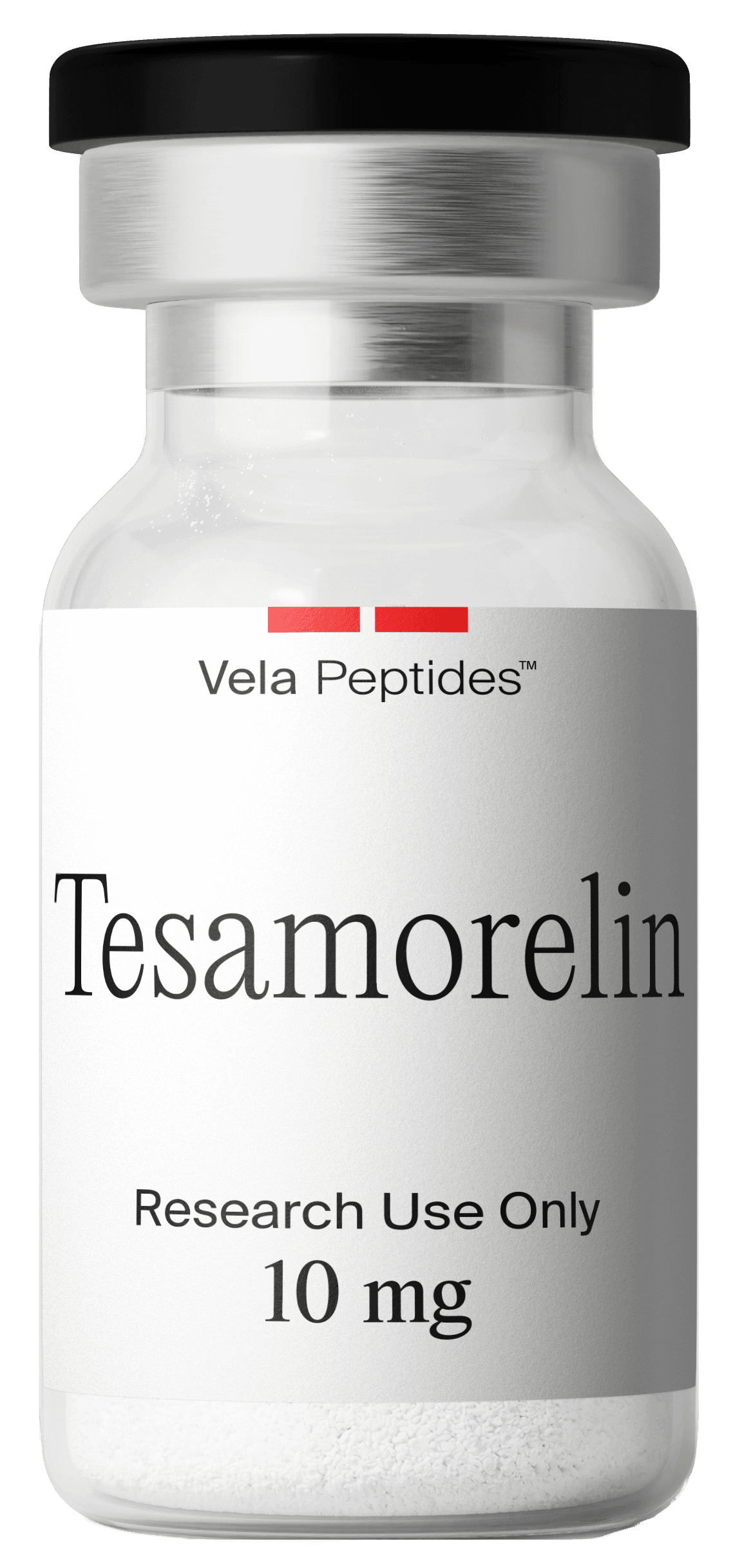
Tesamorelin 5mg
$45.00
For in vitro research only
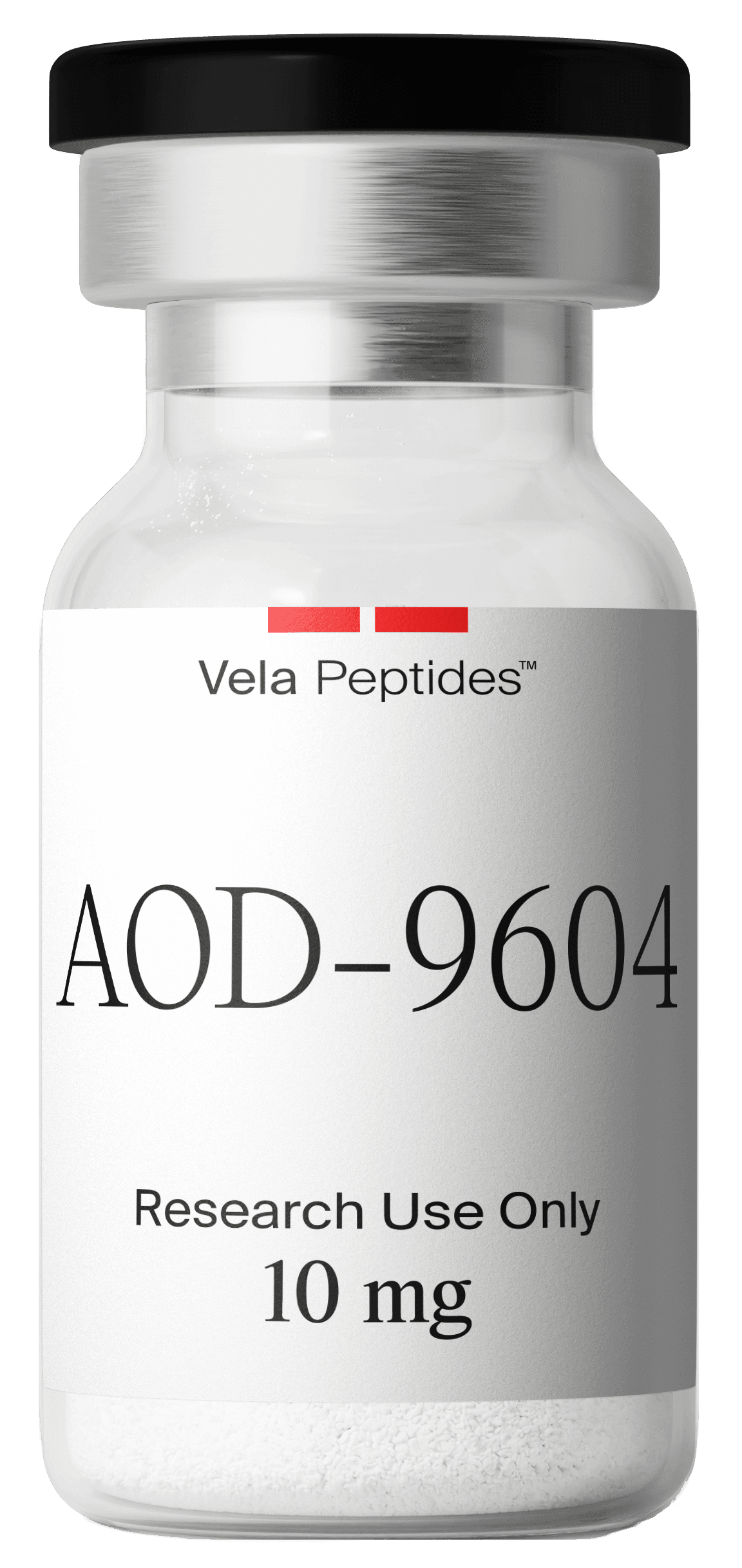
A modified C-terminal fragment of human growth hormone (hGH 176-191 with an N-terminal tyrosine) supplied as a 10 mg lyophilized vial for research into lipolysis, fat metabolism, and growth-hormone-fragment signaling.
Quantity
Promotion
Everything you need to start is included.
New
Technical specification
Key attributes
Each vial is intended for laboratory research use only and is not for human or veterinary use.
Research usage
AOD-9604 is investigated as a modified C-terminal fragment of human growth hormone, corresponding to residues 176-191 with a tyrosine added at the N-terminus. In preclinical models it is studied for lipolytic and anti-lipogenic activity, with research probing how the fragment may influence the mobilization and breakdown of stored lipids. A central research question is whether AOD-9604 can modulate fat metabolism independently of the growth-promoting portion of the parent hormone. Investigators use it to explore signaling pathways associated with adipose tissue and energy balance in cell and animal systems. It is frequently examined alongside other growth-hormone-derived fragments to compare metabolic activity profiles.
Research reports that AOD-9604 can stimulate lipolysis and reduce lipogenesis in adipose tissue preparations, effects observed in vitro and in animal research models. Published studies note that these metabolic actions were reported without the increases in IGF-1 or the changes in glucose handling typically associated with intact growth hormone. In rodent obesity models, investigators have documented reductions in body-fat measures following administration in the experimental protocols studied. Some reports also examine the fragment's stability and its interaction with lipid-metabolism pathways. These findings are confined to laboratory and preclinical research contexts and are not conclusions about any human outcome.
The safety and toxicological profile of AOD-9604 has not been completely characterized. This material is supplied strictly for in-vitro and preclinical laboratory research and must be handled only by qualified personnel using appropriate protective equipment. It is not a drug, food, or cosmetic and is not for human or veterinary use. Store securely, keep away from unauthorized access, and dispose of according to applicable laboratory waste regulations.
growth-hormone
growth-hormone
growth-hormone
growth-hormone