Mitochondrial peptides in research: NAD+, SS-31, MOTS-c
NAD+, SS-31 and MOTS-c are three very different molecules united by one research theme: how they relate to the cell's energy compartments.

For in vitro research only
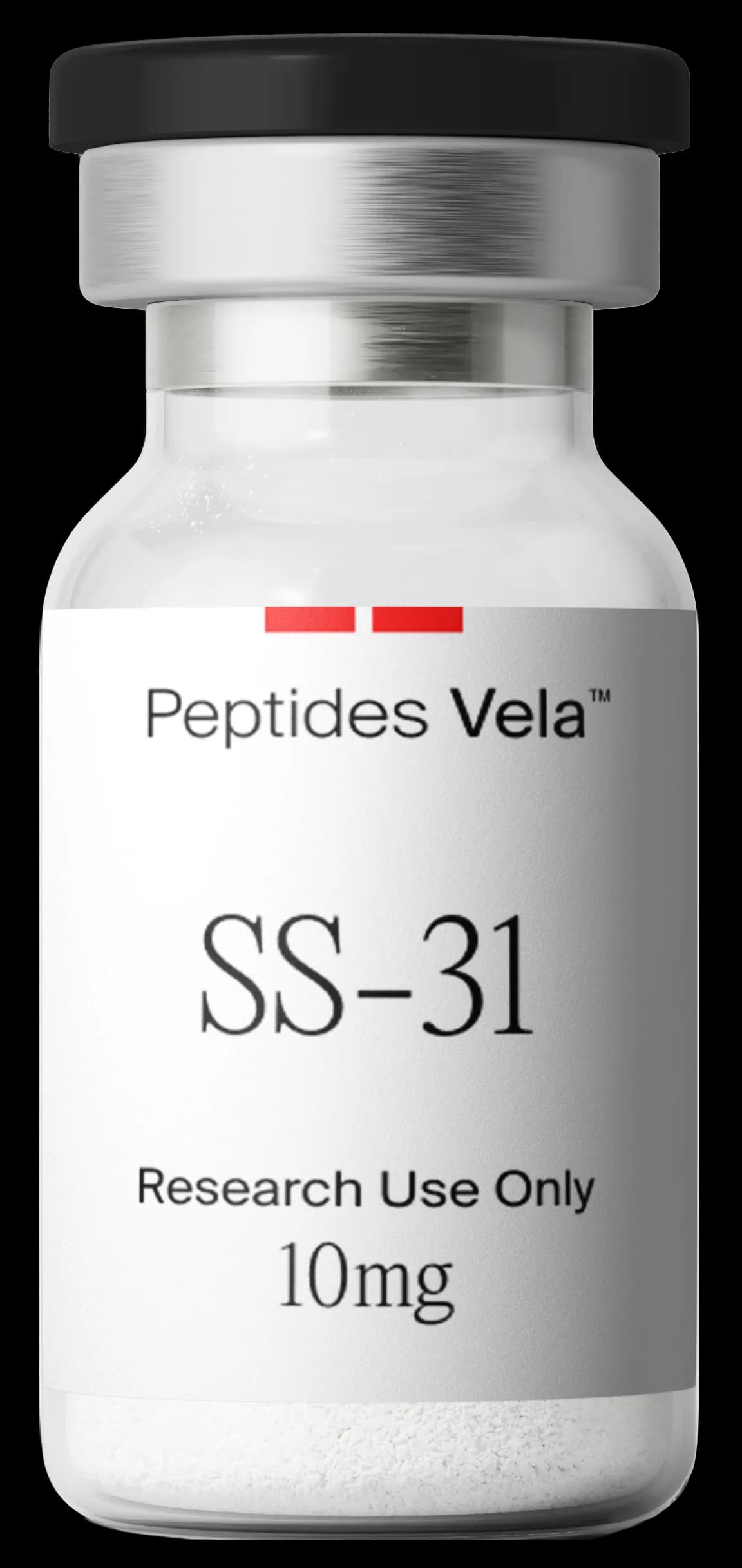
A mitochondria-targeted peptide supplied as a 10 mg lyophilized vial for research into mitochondrial function and oxidative stress.
Quantity
Promotion
Everything you need to start is included.
New
Technical specification
Key attributes
Each vial is intended for laboratory use only.
Research usage
SS-31 is a mitochondria-targeted tetrapeptide studied for its ability to improve mitochondrial function and support ATP synthesis. It concentrates on the inner mitochondrial membrane, where it interacts with cardiolipin, and has been investigated for reducing inflammatory cytokines and oxidative stress associated with a range of degenerative conditions.
Research has shown SS-31 can stabilize cardiolipin and improve electron-transport efficiency, reducing reactive oxygen species. It has been investigated in models of heart disease, kidney injury, and neurodegenerative conditions such as Alzheimer’s and Parkinson’s, where mitochondrial dysfunction plays a role.
In clinical research (as elamipretide), SS-31 has generally been well tolerated, with injection-site reactions among the more commonly reported observations. Formal safety characterization is ongoing across the conditions under study.
Research journal
NAD+, SS-31 and MOTS-c are three very different molecules united by one research theme: how they relate to the cell's energy compartments.
A small peptide studied for its unusual ability to concentrate inside the mitochondria and interact with cardiolipin.
MOTS-c is a mitochondrial-derived peptide encoded within the mitochondrial genome itself — an unusual origin studied in cellular metabolism research.