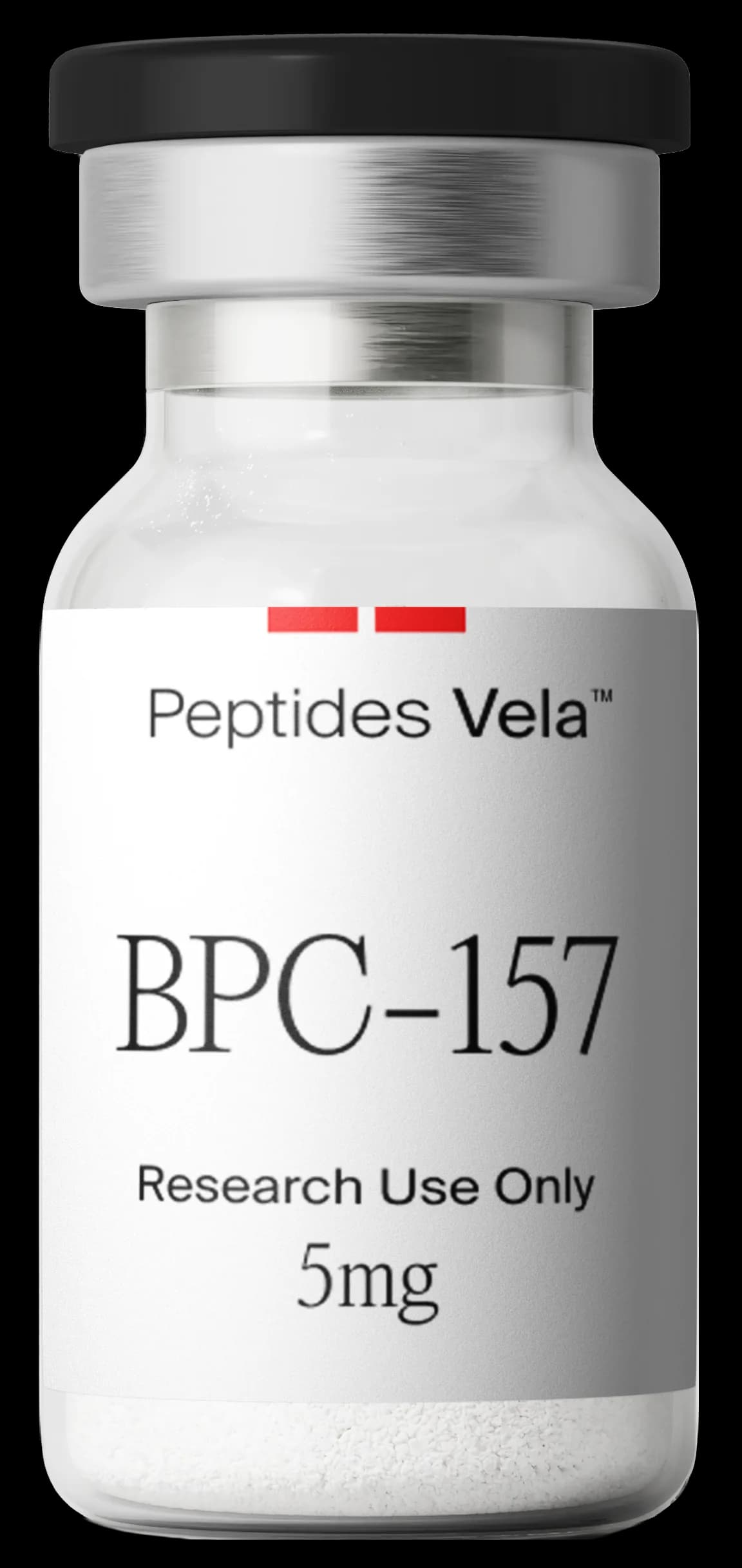
BPC-157

For in vitro research only
A stable gastric pentadecapeptide supplied as a 5 mg lyophilized vial for research into tissue repair and gastrointestinal protection.
Size
Quantity
Promotion
Everything you need to start is included.
New
Technical specification
Key attributes
Each vial is intended for laboratory use only.
Research usage
BPC-157 is a pentadecapeptide composed of 15 amino acids and a partial sequence of the body protection compound isolated from gastric juice. Animal studies have shown it to accelerate healing of muscle, tendon, and ligament, protect organs, and aid in preventing gastric ulcers. It acts systemically in the digestive tract and has been investigated for analgesic properties and for promoting angiogenesis in wound-healing research.
BPC-157 has been reported to significantly accelerate reticulin and collagen formation and angiogenesis, together with stimulation of macrophage and fibroblast infiltration, representing a potential tool in wound-healing research. It has also shown activity against gastrointestinal damage including models of leaky gut, IBS, and ulceration.
In animal research BPC-157 has shown a favorable tolerability profile with low reported toxicity. Human clinical safety data are limited, and most evidence remains preclinical, so its profile is not fully characterized.

BPC-157
Research journal
BPC-157 and TB-500 are frequently studied together; a blend supplies both peptides in a single lyophilised vial for repair-related research.
A synthetic pentadecapeptide derived from a protective protein in human gastric juice, studied for tissue repair, gut protection, and systemic healing.
A synthetic fragment of Thymosin beta-4, studied for actin regulation, tissue regeneration, and complementary use with BPC-157 in repair protocols.